When your aging parent lives alone, the worry about falls never completely leaves your mind. A medical alert system with fall detection offers peace of mind by automatically sensing when a fall happens and connecting your loved one to help—even if they cannot press a button. These devices differ significantly in how they work, what they cost, and whether they require monthly monitoring fees.
This guide reviews five medical alert systems designed specifically for seniors who fall, ranging from simple home-based call buttons to sophisticated GPS-enabled devices with automatic fall detection. Whether you need a no-monthly-fee option for a parent who refuses subscriptions or a professionally monitored system with 24/7 response teams, the right solution depends on your parent’s mobility level, living situation, and willingness to wear the device consistently.
What to Look For
Understanding Fall Detection Technology
Fall detection systems use accelerometers and sensors to detect sudden movements and impacts consistent with falling. When triggered, these devices either alert family caregivers through a smartphone app or connect directly to professional monitoring centers. The key difference lies in response time and who answers the call. Professional monitoring means trained operators assess the situation and dispatch emergency services if needed, while caregiver alert systems notify you directly, putting the response responsibility on family members.
Monthly Fees Versus One-Time Purchase Systems
Many seniors resist medical alert systems because of ongoing monthly costs. No-monthly-fee systems connect directly to family caregivers through WiFi and smartphone apps, typically costing $35-$60 upfront with no recurring charges. These work well when family members live nearby and can respond quickly. Professionally monitored systems require monthly subscriptions ranging from $30-$60 but provide 24/7 coverage and trained operators who can dispatch help even when family is unavailable or out of contact.
Wearability and Waterproof Features
A medical alert device only works if your parent actually wears it. Look for lightweight options that can be worn as pendants, wristbands, or clipped to clothing. Waterproof ratings matter tremendously since bathroom falls represent a major risk area for seniors. Devices with IP65 or higher waterproof ratings can be worn in the shower, when falls are most dangerous. Weight and comfort directly affect compliance—if the device feels cumbersome, it will end up on the nightstand instead of on your parent.
GPS Tracking for Active Seniors
For seniors who still drive, walk the neighborhood, or spend time outside the home, GPS tracking becomes essential. GPS-enabled devices work anywhere with cellular coverage, not just within home WiFi range. This matters if your parent falls while gardening, checking the mail, or walking the dog. These devices typically cost more upfront and may require cellular service subscriptions, but they provide protection beyond the home’s four walls.
Our Top 5 Picks
1. Bay Alarm Medical SOS Mobile GPS
Best for seniors who need professional 24/7 monitoring with GPS tracking
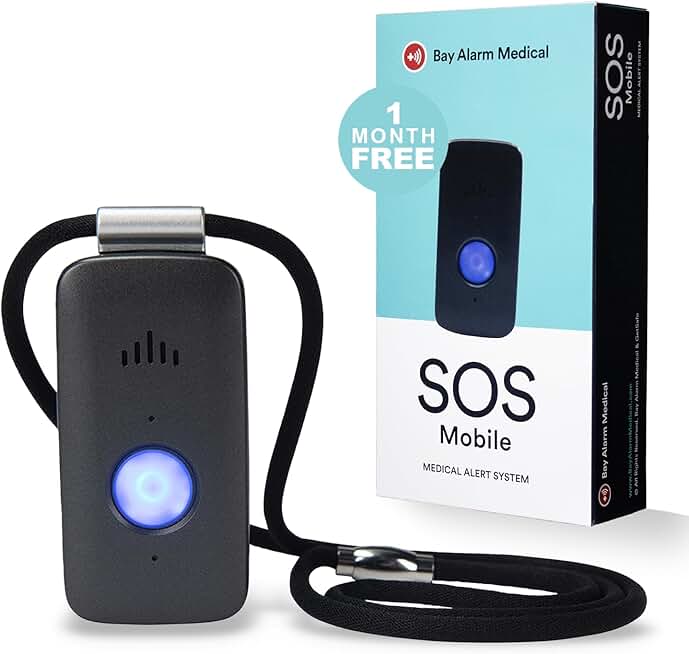
The Bay Alarm Medical SOS Mobile GPS delivers professional monitoring in a portable device that works anywhere with cellular coverage. This system requires activation and a monthly subscription, but provides trained emergency operators available 24/7 to assess situations and dispatch help. The device includes GPS tracking so responders know exactly where your parent is, whether they fall at home, in the yard, or at the grocery store.
The waterproof design means your parent can wear it in the shower, where many dangerous falls occur. The device functions as both a panic button for manual alerts and offers optional automatic fall detection as an add-on feature. Battery life extends several days between charges, and the included lanyard keeps it accessible. At 87 reviews with a 4.1-star rating, users consistently mention the reliability of the monitoring service and quick response times.
The main limitation is the ongoing monthly cost, which some families find prohibitive compared to caregiver-alert systems. The device also requires cellular service to function, so it will not work in areas without coverage. Some reviewers note the fall detection feature costs extra beyond the base monitoring subscription. Setup requires a phone call to activate service rather than simple plug-and-play operation.
For families who want professional emergency response and GPS tracking for an active senior, this system delivers comprehensive coverage. The device works nationwide, making it suitable for parents who travel or spend time away from home. Check current pricing and monthly subscription options for this device on Amazon.
Pros
- Professional 24/7 monitoring with trained operators
- GPS tracking works anywhere with cellular coverage
- Waterproof for shower safety
- Works nationwide, not limited to home WiFi
Cons
- Requires monthly subscription fees
- Fall detection costs extra
- Needs phone activation, not instant setup
2. SecuLife Fall Alert Device with GPS Tracking
Best for families who want GPS tracking with two-way calling without monthly fees

The SecuLife Fall Alert Device combines GPS tracking, automatic fall detection, and two-way calling in a single pendant that requires no monthly monitoring fees. When a fall is detected or the SOS button is pressed, the device calls pre-programmed contacts directly through its built-in speaker and microphone. Your parent can speak with you or emergency contacts without needing to reach a phone, which proves critical during falls when mobility is compromised.
The waterproof design protects against bathroom falls, and the GPS feature lets family members track location through a smartphone app. The device functions as both a medical alert and a simple way to stay connected—your parent can use it to call you anytime, not just during emergencies. With 102 reviews averaging 4.2 stars, users appreciate the one-time cost compared to subscription services.
The limitation is that this system alerts family members, not professional monitoring services. If your parent falls when you are in a meeting, asleep, or otherwise unavailable, the alert may go unanswered until you check your phone. The device requires cellular service through a SIM card, which adds a small monthly cost separate from monitoring fees. Some reviewers mention the fall detection sensitivity requires adjustment to reduce false alarms from normal activities.
For families comfortable responding to alerts themselves and who want GPS tracking without professional monitoring costs, this device offers strong value. The two-way calling feature provides reassurance for both seniors and caregivers, allowing quick check-ins throughout the day. Check this GPS-enabled fall alert pendant on Amazon for current availability and pricing.
Pros
- No monthly monitoring fees
- GPS tracking shows location on smartphone app
- Two-way calling lets you speak directly with your parent
- Waterproof for shower use
- Automatic fall detection included
Cons
- Alerts family only, not professional monitors
- Requires SIM card with cellular data plan
- Fall detection may need sensitivity adjustments
View SecuLife Fall Alert Device with GPS Tracking on Amazon →
3. PILSAMAS WiFi Caregiver Pager with Wristband
Best budget option for home-only coverage with caregiver app alerts

The PILSAMAS WiFi Caregiver Pager system provides basic fall alert functionality at the lowest price point on this list, with no monthly fees. The system includes one waterproof wristband and one lanyard emergency button that connect to your home WiFi network. When pressed, the buttons send instant alerts to a smartphone app, notifying family caregivers immediately. You can customize alert tones and names for each button, useful if multiple family members need monitoring.
This system works exclusively through home WiFi, meaning it provides no coverage outside the house or anywhere WiFi does not reach. The buttons are waterproof, addressing bathroom fall risks, but they do not include automatic fall detection—your parent must press the button manually to alert you. The range limitation makes this suitable for seniors who spend most time at home and have family members who can respond quickly to alerts.
The app provides reliable notifications, and the setup process is straightforward for anyone comfortable with basic smartphone apps and WiFi connections. At just under $40, this system costs less than one month of professional monitoring service. The tradeoff is limited functionality compared to GPS-enabled or professionally monitored systems. With only 2 reviews so far, long-term reliability data remains limited, though the 5-star rating suggests early satisfaction.
For families on tight budgets who need a simple alert system for a parent who rarely leaves home, this provides essential functionality without ongoing costs. The system works best when combined with regular check-in routines rather than as a sole safety solution. See current pricing and availability for this WiFi caregiver pager system on Amazon.
Pros
- Lowest cost option with no monthly fees
- Waterproof buttons for shower safety
- Smartphone app alerts multiple family members
- Customizable alert names and tones
- Simple WiFi setup
Cons
- Works only within home WiFi range
- No automatic fall detection
- Limited long-term reviews
- No coverage outside the home
View PILSAMAS WiFi Caregiver Pager with Wristband on Amazon →
4. Medical Guardian MGMini Rose Gold
Best for seniors who want a discreet, jewelry-like device with professional monitoring

The Medical Guardian MGMini disguises medical alert technology in an attractive rose gold pendant that looks more like jewelry than medical equipment. This design approach matters for seniors who resist wearing obvious medical devices. The compact size and decorative appearance increase wearing compliance, which directly impacts safety since the device only works if your parent actually wears it.
The MGMini requires a monthly subscription for 24/7 professional monitoring, GPS tracking, and emergency response services. The device includes water-resistance for daily wear, step counter functionality, and an emergency call button that connects to Medical Guardian’s monitoring center. The GPS tracking works nationwide through cellular connectivity, providing coverage wherever your parent goes. With 234 reviews averaging 4.1 stars, this represents one of the more extensively reviewed systems available.
Users appreciate the discreet design and reliable monitoring service, though some mention occasional connectivity issues in areas with weak cellular signals. The step counter adds basic activity tracking, giving caregivers insight into daily movement patterns. Battery life requires charging every few days, which some seniors find inconvenient.
The monthly subscription cost adds up over time, making this more expensive long-term than no-fee systems. However, professional monitoring provides response even when family members are unavailable. The device works best for seniors concerned about the stigma of medical alert devices who will consistently wear something attractive. Check this discreet medical alert pendant on Amazon for current pricing and subscription details.
Pros
- Discreet, jewelry-like rose gold design
- Professional 24/7 monitoring included
- GPS tracking nationwide
- Step counter for activity monitoring
- Water-resistant for daily wear
- 234 reviews provide reliability data
Cons
- Requires monthly subscription
- Needs frequent charging
- May have connectivity issues in weak signal areas
5. CallToU Wi-Fi Wireless Caregiver Pager
Best for reliable home monitoring with strong app integration and no monthly fees

The CallToU Wi-Fi Wireless Caregiver Pager offers home-based fall alert coverage with particularly strong smartphone app integration. The system connects to home WiFi and sends instant push notifications when the emergency button is pressed. With 268 reviews averaging 4.3 stars, this represents the most-reviewed no-monthly-fee system on this list, providing substantial real-world reliability data.
The app allows multiple family members to receive alerts simultaneously, distributing response responsibility across caregivers. You can monitor alert history, adjust notification settings, and manage multiple call buttons from the same app interface. The waterproof button design protects against bathroom falls, and the system supports adding additional buttons if you need coverage in multiple rooms or for multiple family members.
Like other WiFi-based systems, this works only within home WiFi range and requires your parent to manually press the button—no automatic fall detection. The app reliability gets consistent praise in reviews, with users mentioning fewer missed notifications compared to some competing systems. Setup requires basic WiFi configuration but proves straightforward for most users.
The system fills the gap between basic budget options and professionally monitored services, offering reliable home coverage at a moderate one-time price. For families managing care for a parent who primarily stays home, this provides dependable alert functionality without ongoing costs. The extensive review history suggests long-term reliability. View this WiFi caregiver pager system on Amazon for complete specifications and current pricing.
Pros
- No monthly fees after purchase
- Reliable smartphone app with 268 reviews
- Alerts multiple family members simultaneously
- Waterproof button for bathroom safety
- Supports multiple call buttons
Cons
- Works only within home WiFi range
- No automatic fall detection
- Requires manual button press during fall
How These Compare
Choosing between these five systems depends primarily on your budget, your parent’s mobility patterns, and whether you prefer professional monitoring or family-managed alerts. The Bay Alarm Medical SOS and Medical Guardian MGMini both require monthly subscriptions but provide 24/7 professional monitoring and nationwide GPS coverage. Bay Alarm edges ahead for seniors who spend significant time outside the home, while the MGMini appeals to those who want a more discreet, jewelry-like appearance.
For families avoiding monthly fees, the SecuLife Fall Alert Device at $88 stands out by including GPS tracking and two-way calling—features typically found only in subscription services. This bridges the gap between basic home systems and professional monitoring. The PILSAMAS and CallToU systems provide reliable home-only coverage at lower price points, with CallToU offering stronger app integration based on its 268 reviews compared to PILSAMAS’ limited review history. Neither includes automatic fall detection or works outside WiFi range, making them suitable only for seniors who rarely leave home and have responsive family nearby.
Frequently Asked Questions
What is the best medical alert system with fall detection for seniors?
The best system depends on whether you need professional monitoring or family-managed alerts. For professional 24/7 monitoring with GPS tracking, Bay Alarm Medical SOS provides trained operators who assess situations and dispatch emergency services anywhere nationwide. This works best for seniors who live alone or whose family cannot always respond immediately. For families who want GPS tracking without monthly fees, the SecuLife Fall Alert Device includes automatic fall detection and two-way calling, alerting family contacts directly. For home-only coverage on a tight budget, the CallToU Wi-Fi system offers reliable app-based alerts with no monthly costs, though it works only within WiFi range and requires manual button pressing. Consider your parent’s living situation, activity level, and your family’s ability to respond to alerts when choosing. Automatic fall detection matters most for seniors with mobility issues who may be unable to press a button after falling.
Will Medicare pay for a fall alert system?
Traditional Medicare does not cover medical alert systems or fall detection devices. Medicare considers these systems preventive rather than treatment-related, placing them outside standard coverage. However, some Medicare Advantage plans include medical alert systems as supplemental benefits. Coverage varies significantly between plans and regions, so check your specific Medicare Advantage plan details or contact the plan administrator directly. Even when covered, Medicare Advantage plans typically provide specific systems through designated suppliers rather than reimbursing any device you purchase. Some Medicaid programs cover medical alert systems for eligible seniors, with coverage varying by state. If your parent qualifies for veterans benefits, the VA may cover emergency response systems through certain programs. For most families, medical alert systems represent an out-of-pocket expense. No-monthly-fee systems like the WiFi caregiver pagers reduce long-term costs compared to subscription services, making them more accessible when insurance does not cover the expense.
What is the difference between automatic fall detection and a panic button?
A panic button requires your parent to press it manually to trigger an alert, while automatic fall detection uses sensors to detect falls and trigger alerts even if your parent cannot press anything. This difference matters tremendously after certain types of falls. If your parent hits their head, loses consciousness, or falls in a position where they cannot reach the button, automatic fall detection may be the only way help gets notified. Panic buttons work well for seniors who remain alert during falls or who need alerts for non-fall emergencies like chest pain or severe dizziness. Automatic fall detection systems use accelerometers to sense sudden impacts and changes in orientation consistent with falling. However, these systems sometimes trigger false alarms from activities like sitting down hard or dropping the device. Most systems with automatic fall detection also include manual panic buttons, providing both options. For seniors with significant fall risk, balance issues, or conditions that could cause sudden collapse, automatic fall detection provides critical backup protection beyond what panic buttons alone offer.
Do medical alert systems work outside the home?
This depends entirely on the system type. WiFi-based systems like the PILSAMAS and CallToU devices work only within your home WiFi network range, typically not extending beyond your yard. GPS-enabled systems like the Bay Alarm Medical SOS, Medical Guardian MGMini, and SecuLife Fall Alert work anywhere with cellular coverage, making them suitable for seniors who drive, walk the neighborhood, run errands, or travel. GPS systems connect through cellular networks similar to smartphones, so they function nationwide but may have coverage gaps in rural areas with weak signals. For seniors who spend most time at home, WiFi systems provide adequate coverage at lower costs. For active seniors who maintain independence outside the home, GPS systems offer essential protection during walks, shopping trips, or other activities where falls might occur away from home. Consider your parent’s typical daily routine when choosing. If they regularly leave home alone, GPS capability becomes important rather than optional.
Are medical alert systems waterproof for shower use?
Most modern medical alert devices include waterproof or water-resistant ratings, but the level of protection varies. Look for devices specifically rated IP65 or higher for shower safety. IP65 means the device can withstand water jets from any direction, making it safe for shower use. Many falls occur in bathrooms during bathing, making waterproof protection critical rather than optional. The Bay Alarm Medical SOS, SecuLife Fall Alert, PILSAMAS, CallToU, and Medical Guardian MGMini all advertise waterproof or water-resistant capabilities for shower use. However, water-resistant differs from fully waterproof—water-resistant devices tolerate splashes but may not survive full submersion. Do not wear any medical alert device in a bathtub filled with water unless explicitly rated for submersion. The wristband or pendant should stay outside the water during baths. For showers, where water streams over the device rather than submerging it, IP65-rated devices provide adequate protection. Bathroom falls represent one of the highest-risk scenarios for seniors, so wearing the device during showering provides critical protection during vulnerable moments.
How much do medical alert systems cost monthly?
Monthly costs vary dramatically between professionally monitored systems and caregiver-alert systems. Professional monitoring services like Bay Alarm Medical and Medical Guardian typically cost $30-$60 per month for basic service, with GPS tracking and automatic fall detection often adding $10-$15 extra per month. These ongoing costs accumulate to $400-$900 annually. No-monthly-fee systems like the WiFi caregiver pagers require only the initial purchase price of $35-$90, with no recurring charges. However, GPS-enabled no-fee systems like the SecuLife device require SIM cards with cellular data plans, which typically cost $10-$25 monthly depending on the carrier and data amount. When comparing costs, consider the total over one or two years rather than just the initial price. A $40 WiFi system costs $40 total for two years of use, while a $60 professional monitoring system costs the initial device price plus $60 monthly, totaling over $1,500 for two years. For families on tight budgets, no-fee systems provide essential alert functionality without ongoing financial burden. For those wanting professional emergency response, monthly fees buy trained operators and reliable dispatch services.
The Bottom Line
Medical alert systems for seniors who fall range from simple home call buttons to sophisticated GPS devices with professional monitoring. Your best choice depends on your parent’s lifestyle, your budget, and who you want responding to alerts. For seniors who live alone and spend time outside the home, GPS-enabled systems with professional monitoring like the Bay Alarm Medical SOS provide comprehensive protection and trained emergency response. The monthly cost brings 24/7 coverage and nationwide functionality.
Families managing tight budgets or caring for seniors who rarely leave home will find no-monthly-fee systems like the CallToU WiFi Caregiver Pager provide reliable home coverage without ongoing costs. These systems work well when family members live nearby and can respond quickly to smartphone alerts. The SecuLife Fall Alert Device bridges both approaches, offering GPS tracking and automatic fall detection without professional monitoring fees, though it requires a cellular data plan.
Regardless of which system you choose, success depends on consistent wearing. The most sophisticated fall detection system provides zero protection if your parent leaves it on the nightstand. Choose a device your parent will actually wear—whether that means a discreet jewelry-like pendant, a comfortable wristband, or a lightweight lanyard. Discuss the options with your parent, involve them in the decision, and emphasize that wearing the device provides peace of mind for the entire family. Falls happen suddenly, and having help available immediately can make the difference between a minor scare and a serious medical emergency.
Disclosure: As an Amazon Associate, we earn from qualifying purchases. This does not affect our editorial recommendations.