When you are helping an aging parent maintain independence at home, the bathroom becomes a critical decision point. Traditional tubs with high walls create fall risks, and standard showers can be equally challenging for someone with arthritis or balance issues. Walk-in tubs and walk-in showers both promise safer bathing, but they solve different problems in different ways.
The choice between these two options depends on your parent’s specific mobility challenges, whether they need caregiver assistance, how much space you have, and frankly, how much time they can tolerate waiting. This guide walks through the practical differences between walk-in tubs and walk-in showers, what features matter most for safety, and which products deliver genuine accessibility improvements rather than just marketing promises.
What to Look For
Entry Height and Step-Over Requirements
The step-in height determines whether your parent can actually use the fixture safely. Walk-in tubs typically have a threshold between 3 and 6 inches, which is dramatically lower than a standard tub wall but still requires lifting the foot. Walk-in showers can be installed with zero-threshold curbless entries, eliminating any step entirely. For wheelchair users or those with severe mobility limitations, a curbless shower provides the easiest access. If your parent can manage a small step but struggles with balance while standing, a walk-in tub with a built-in seat may be the better choice.
Wait Time and Drain Speed
Walk-in tubs require users to enter before filling and wait inside until the water drains before exiting. This means your parent will sit in an empty tub for several minutes while it fills, and again while it drains after bathing. Some models offer quick-fill faucets and fast-drain systems that reduce wait time, but you should still expect 5-10 minutes of sitting time per bath. Walk-in showers have no wait time since water drains continuously during use. If your parent gets cold easily, has limited patience, or needs to use the bathroom frequently, the wait time in a walk-in tub can become a genuine barrier to regular bathing.
Caregiver Access and Assistance
If your parent needs hands-on help during bathing, access for the caregiver matters enormously. Walk-in showers provide open access from multiple sides, making it easier for family members or professional aides to assist with washing, support during standing, or emergency help if needed. Walk-in tubs have enclosed walls that limit caregiver reach, though some models include outward-swinging doors that improve access. The door opening width also matters for larger individuals or those who need assistance maneuvering into the seat.
Therapeutic Features vs. Basic Safety
Many walk-in tubs include whirlpool jets, air massage systems, heated water circulation, chromatherapy lighting, and aromatherapy dispensers. These features provide genuine therapeutic benefit for arthritis pain and circulation issues, but they also increase cost and complexity. Walk-in showers typically offer basic safety features like grab bars, non-slip flooring, and handheld showerheads, but rarely include therapeutic elements. Consider whether your parent will actually use massage features regularly or if they primarily need a safer way to bathe quickly.
Our Top 5 Picks
1. ANZZI Walk In Tub 53″ x 27″ Right-Drain Bathtub, Air & Whirlpool Massage Jets
Best for seniors who want therapeutic soaking with comprehensive safety features

This ANZZI model combines practical safety features with therapeutic elements that address common aging concerns. The tub includes both air and whirlpool massage jets, which provide genuine relief for arthritis pain and circulation issues. The quick-fill system reduces wait time compared to standard walk-in tubs, and the 6-setting handheld shower gives flexibility for rinsing without soaking when time is limited.
The right-drain configuration works well for most bathroom layouts, and the built-in ADA-compliant seat sits at a comfortable height for transferring in and out. The door has a secure locking mechanism that creates a watertight seal, which is critical since any leakage defeats the purpose of the low entry threshold. The aromatherapy and LED chromatherapy features may seem like extras, but some users find the lighting particularly helpful for bathing at night without harsh overhead lights that can be disorienting.
The 53-inch length accommodates most adults comfortably, though taller individuals may find their knees slightly bent when seated. Installation requires professional help since you are dealing with plumbing, electrical for the jets, and ensuring proper drainage. The tub does require users to wait for filling and draining, which takes approximately 8-10 minutes total depending on your water pressure. The included bath pillow provides head and neck support during longer soaks.
The practical benefit is the durable acrylic construction that resists staining and is easier to clean than older tub materials. See current pricing and reviews for this walk-in tub on Amazon to see current availability and shipping timelines for your area.
Pros
- Dual massage system provides therapeutic benefit for arthritis and circulation
- Quick-fill system reduces wait time compared to standard walk-in tubs
- Six-setting handheld shower offers flexibility for quick rinses
- Right-drain works with most bathroom configurations
- Secure door seal prevents leakage during use
Cons
- Requires 8-10 minute wait time for filling and draining
- Professional installation needed for plumbing and electrical
- May feel cramped for users over 6 feet tall
View ANZZI Walk In Tub 53″ x 27″ Right-Drain Bathtub on Amazon →
2. FerdY Floridian 52″ x 30″ Walk-in Bathtub with Right-Side Door Opening
Best for seniors seeking a straightforward soaking tub without therapeutic jets
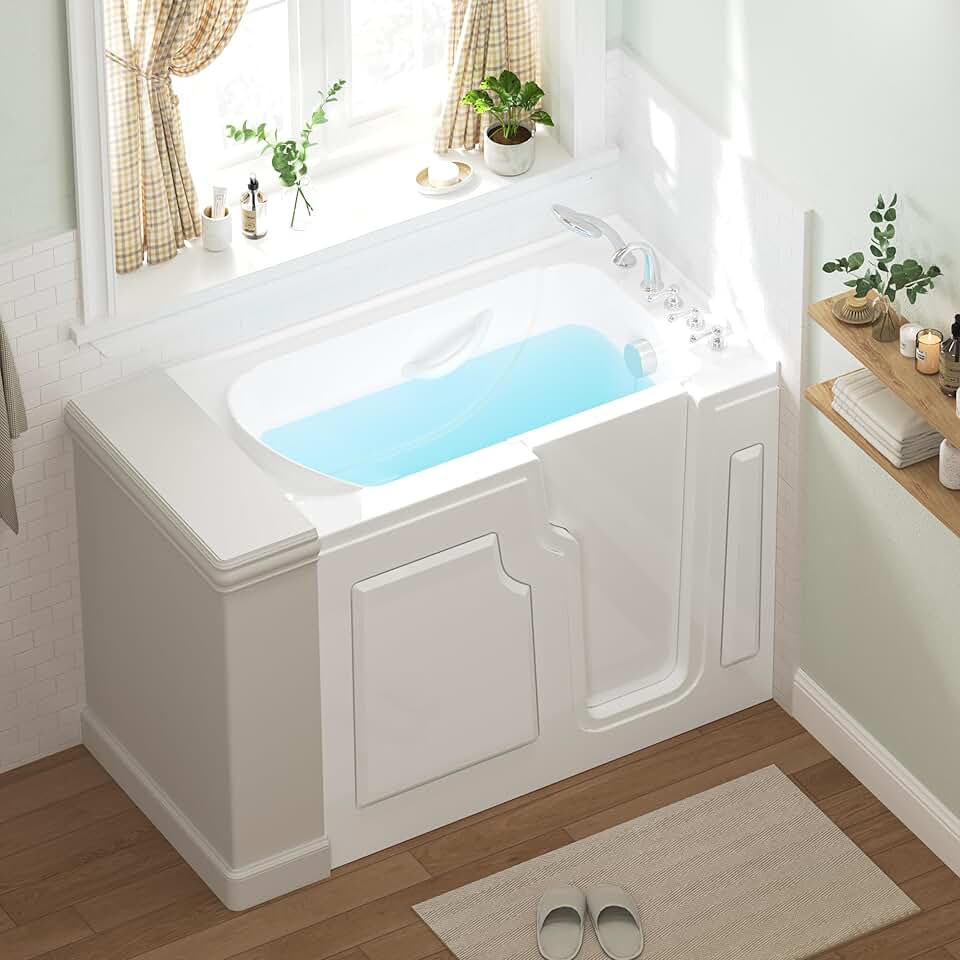
The FerdY Floridian takes a simpler approach than jet-equipped models, focusing on safe entry and comfortable soaking without the complexity of massage systems. This makes it easier to maintain and eliminates the mechanical components that can eventually need repair. The quick fill and drain system is genuinely faster than many competitors, which matters when your parent is sitting in an empty tub waiting.
The 30-inch width provides more shoulder room than narrower models, making it comfortable for larger individuals or those who feel confined in tight spaces. The right-side door opening works well for bathrooms where the tub sits against the left wall, allowing easy entry without awkward maneuvering. The textured floor surface provides slip resistance, and the built-in seat height works for most users without feeling too high or too low.
This is a soaking tub rather than a therapeutic tub, which means it serves one purpose well rather than trying to do everything. If your parent simply needs a safer way to bathe and enjoys a warm soak, the lack of jets is not a limitation but rather a simplification. The acrylic construction resists staining and maintains heat better than older porcelain tubs, so the water stays warmer during longer soaks.
Installation still requires professional help for proper plumbing and ensuring the drain system works correctly. The door seal is straightforward and has not shown leakage issues in reported use. The lower price compared to jet-equipped models reflects the simpler design rather than lower quality construction. See current pricing and reviews for this walk-in tub on Amazon to compare dimensions with your bathroom space.
Pros
- Simpler design with fewer mechanical components to maintain
- 30-inch width provides comfortable room for larger individuals
- Quick drain system reduces wait time after bathing
- Textured floor prevents slipping during entry and exit
- Lower price point without sacrificing build quality
Cons
- No therapeutic jets for arthritis or circulation issues
- Limited reviews make long-term durability harder to assess
- Still requires wait time for filling and draining
View FerdY Floridian 52″ x 30″ Walk-in Bathtub with Right-Side Door Opening on Amazon →
3. CleanCut Step Bathtub Accessibility Kit
Best for converting an existing tub into a walk-in shower without full renovation
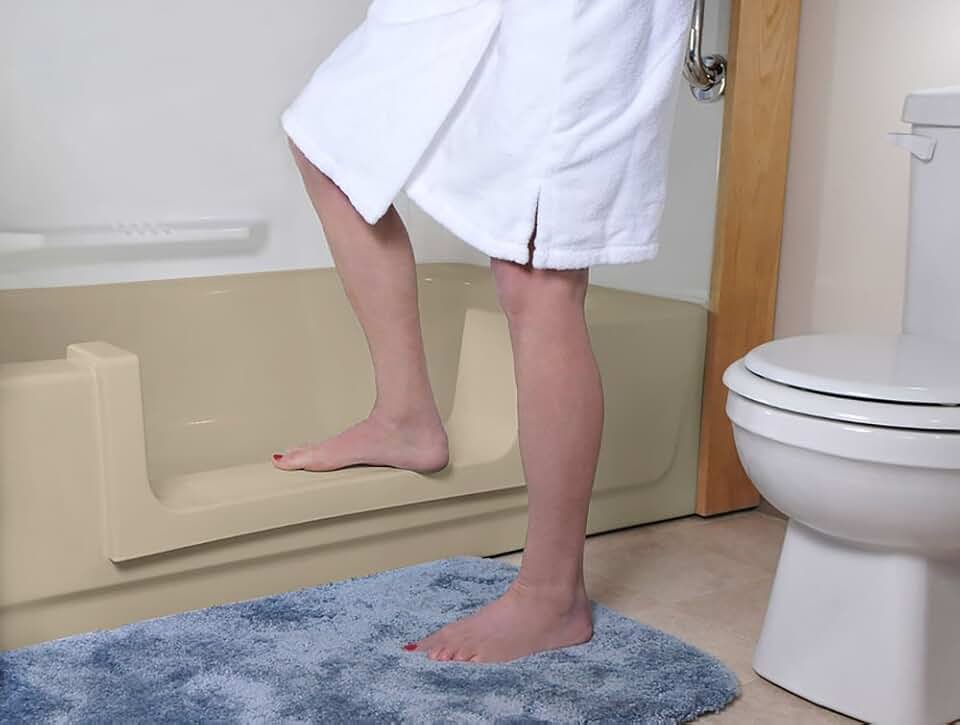
The CleanCut kit provides a practical middle ground between keeping your current tub and undertaking a complete bathroom renovation. A professional installer cuts a precision opening in your existing tub wall and inserts this watertight panel, creating a step-through entrance that reduces the barrier from 15-20 inches down to about 3 inches. This conversion typically takes a few hours rather than days of construction.
The large size accommodates most standard tubs, and the beige color matches common tub finishes reasonably well, though it will not disappear entirely. The kit includes all necessary sealing components to prevent water leakage, which is the primary concern with any tub modification. The 537 reviews provide substantial real-world feedback, with most users reporting successful installation and no leakage issues when professionally installed.
This solution works particularly well if your parent prefers showering over bathing, since the conversion essentially creates a walk-in shower within the existing tub footprint. The reduced step height makes entry much safer than climbing over a standard tub wall, though it still requires lifting the foot over a small threshold. The conversion preserves the option to use the tub for bathing when desired, which provides flexibility that a dedicated walk-in shower does not offer.
The kit requires professional installation to ensure proper cutting, sealing, and finishing. DIY installation is possible for experienced individuals, but mistakes can lead to leaks and water damage that cost far more than hiring a professional initially. The conversion works with most tub materials including fiberglass, acrylic, and steel, but very old cast iron tubs may present challenges. See current pricing and reviews for this accessibility kit on Amazon to verify compatibility with your specific tub material and dimensions.
Pros
- Converts existing tub without full bathroom renovation
- Installation takes hours rather than days
- Substantially lower cost than new walk-in tub or shower
- Maintains option to use tub for bathing when desired
- Strong review count provides confidence in real-world performance
Cons
- Still requires 3-inch step-over, not completely curbless
- Visible modification may affect bathroom appearance
- Requires professional installation for proper sealing
4. ANZZI Walk In Tub for Seniors 29 x 52 In Right Drain Wheelchair Accessible
Best for wheelchair users needing low-barrier entry with therapeutic features

The wheelchair-accessible design of this ANZZI model prioritizes entry ease over interior space, with a wider door opening that accommodates transfer from a wheelchair or walker. The 29-inch width is narrower than standard walk-in tubs, which creates the trade-off of easier access but less shoulder room once inside. For individuals who transfer from wheelchairs, this is the right prioritization since getting in safely matters more than spaciousness.
The dual therapy system includes 12 whirlpool jets and 18 air jets, providing comprehensive massage coverage that helps with circulation and joint pain. The inline heater maintains water temperature during longer therapeutic soaks, which is important since the massage features work best with sustained use. The quick-fill system and ADA-compliant seat height are standard for ANZZI models and perform reliably.
The lower rating compared to other ANZZI tubs reflects the trade-offs inherent in wheelchair-accessible design. The narrower width feels confining to some users who do not actually need the wheelchair access features, so this model makes most sense for individuals who specifically require that accessibility level. The door opening mechanism is secure but requires slightly more force to close than standard models, which can be challenging for users with severe arthritis in their hands.
Installation requires the same professional plumbing and electrical work as other walk-in tubs, with particular attention to positioning for wheelchair approach. The right-drain configuration works for most layouts, but verify your bathroom allows proper wheelchair maneuvering before purchasing. See current pricing and reviews for this this wheelchair-accessible walk-in tub on Amazon to confirm the door opening width meets your specific mobility equipment requirements.
Pros
- Wider door opening accommodates wheelchair transfers
- Dual therapy system with 30 total jets for comprehensive massage
- Inline heater maintains temperature during therapeutic use
- ADA-compliant design meets accessibility standards
- Quick-fill system reduces wait time
Cons
- Narrower 29-inch width feels confining during use
- Door mechanism requires more hand strength to operate
- Lower rating reflects trade-offs in accessible design
View ANZZI Walk In Tub for Seniors 29 x 52 In Right Drain Wheelchair Accessible on Amazon →
5. Walk-Thru Insert Accessibility Kit
Best for budget-conscious families converting a tub to shower access
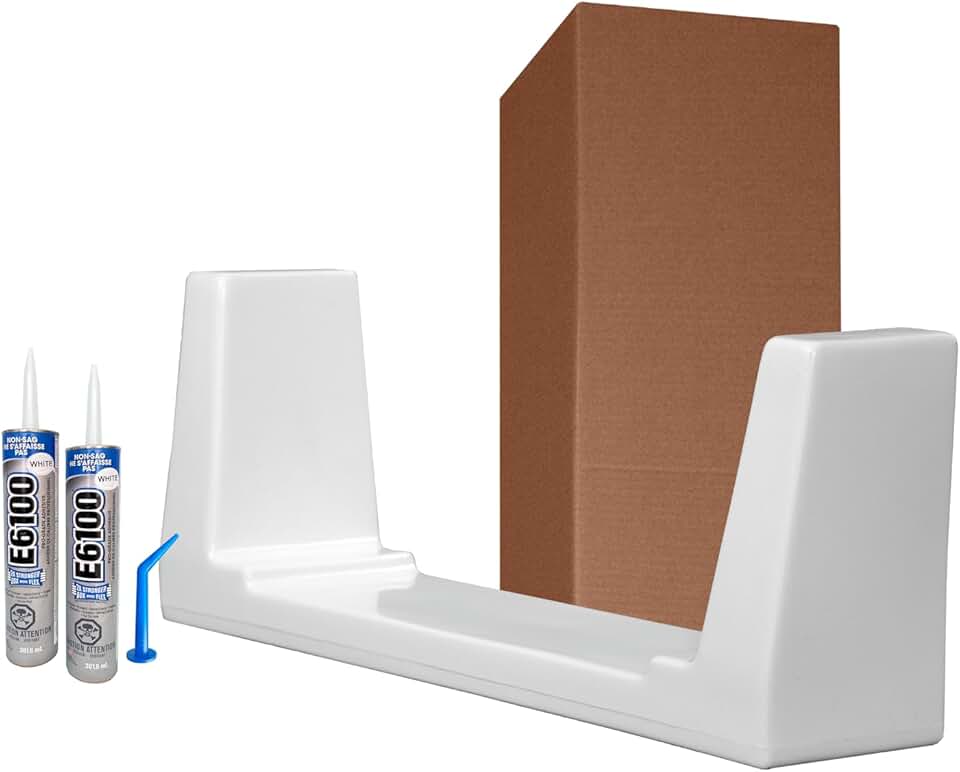
This walk-thru insert provides similar functionality to the CleanCut kit at a comparable price point, offering another option for converting an existing tub into a more accessible shower space. The wide size accommodates most standard tub dimensions, and the installation process involves cutting a precise opening in the tub wall and securing the watertight insert panel.
The conversion creates a step-through entrance that reduces the barrier height significantly, making it much safer for seniors with balance issues or limited leg strength. The kit includes all necessary components for installation, though professional help is strongly recommended to ensure proper cutting, alignment, and sealing. The white color option works well with many bathroom finishes, though color matching depends on your specific tub shade.
The 81 reviews indicate solid performance when properly installed, with most reported issues tracing back to DIY installation attempts rather than product defects. The sealing system prevents water leakage when correctly applied, which is critical for preventing bathroom floor damage over time. Like any tub modification, the visual impact is noticeable but most users find the safety improvement worth the aesthetic trade-off.
This conversion works best for seniors who prefer showering and rarely take baths, since the opening obviously prevents using the tub for soaking. The reduced barrier height makes daily showering much safer while preserving the existing bathroom footprint and avoiding major renovation costs. Installation timing is similar to the CleanCut kit, typically completing in a few hours with professional help. See current pricing and reviews for this walk-thru insert on Amazon to verify sizing for your specific tub dimensions and material type.
Pros
- Budget-friendly tub-to-shower conversion option
- Wide size fits most standard tub dimensions
- Installation completes in hours with professional help
- Solid review feedback indicates reliable performance
- White color option matches many bathroom finishes
Cons
- Eliminates ability to use tub for bathing
- Visible modification affects bathroom appearance
- Requires professional installation for proper sealing
How These Compare
The choice between full walk-in tubs and conversion kits depends primarily on whether your parent prefers soaking or showering. The ANZZI models with massage jets (ranks 1 and 4) provide therapeutic benefits that genuinely help with arthritis and circulation, but require waiting for filling and draining with each use. The FerdY Floridian offers comfortable soaking without jet complexity at a lower price point.
The conversion kits (ranks 3 and 5) transform existing tubs into walk-in showers for a fraction of the cost of new fixtures, completing installation in hours rather than days. These work extremely well for seniors who shower daily and rarely bathe, but eliminate the soaking option entirely. The CleanCut kit has more extensive review history, while the Walk-Thru Insert offers similar functionality at the same price point.
For wheelchair users, the ANZZI wheelchair-accessible model (rank 4) provides necessary features despite the narrower width. For seniors who can manage a small step and want therapeutic soaking, the standard ANZZI with jets (rank 1) delivers the most comprehensive feature set. Budget-conscious families should seriously consider conversion kits, which provide substantial safety improvement without the cost and complexity of full tub replacement.
Frequently Asked Questions
What are the disadvantages of a walk-in tub for seniors?
The primary disadvantage is wait time. Your parent must enter the empty tub, wait 5-10 minutes while it fills, bathe, then wait another 5-10 minutes for draining before they can exit. During cold weather or if they get chilled easily, this sitting time in an empty tub can be uncomfortable. The wait time also creates challenges if your parent has urgency issues with needing the bathroom.
Walk-in tubs also require more bathroom space than standard tubs due to the door mechanism, and they cost significantly more than conversion kits or accessibility modifications. Installation involves plumbing, electrical work for jets, and often requires bathroom layout changes. If the door seal fails or is not properly secured, water can leak during use, which defeats the safety purpose. For caregivers, the enclosed walls limit access when your parent needs hands-on assistance during bathing.
Do seniors prefer showers or tubs?
Preference varies based on individual mobility levels, bathing habits, and therapeutic needs. Seniors who shower quickly each morning typically prefer walk-in showers since there is no wait time and they can finish bathing in minutes. The continuous water flow keeps them warm, and the open design provides easier access for caregivers if needed.
Seniors with arthritis, circulation issues, or chronic pain often prefer walk-in tubs because the warm water immersion provides genuine therapeutic relief. The seated position feels safer for those with balance issues, and they can soak as long as desired. However, this preference only holds if they can tolerate the wait time for filling and draining. The choice should reflect your parent’s actual bathing habits rather than what seems theoretically better.
How much does it cost to convert a regular tub to a walk-in shower?
Conversion kits like the CleanCut or Walk-Thru Insert cost between $350-370 for the materials, plus professional installation typically runs $200-500 depending on your location and tub material. This brings total cost to roughly $550-870 for a basic conversion that maintains your existing tub with a step-through opening.
A complete tub removal and walk-in shower installation ranges from $3,000-10,000 depending on whether you are doing a basic fiberglass insert or a custom tile shower with multiple safety features. This includes demolition, plumbing modifications, waterproofing, the new shower unit or tile work, fixtures, and installation labor. The wide cost range reflects regional labor rates and finish quality choices. Full walk-in tubs with therapeutic features run $2,500-5,000 for the unit itself, plus installation costs similar to complete shower conversions.
Can a walk-in tub be used as a shower?
Yes, most walk-in tubs include handheld showerheads specifically for this purpose. Your parent can enter the tub, close the door, and shower while standing or sitting on the built-in seat without filling the tub with water. This provides flexibility for quick morning showers versus longer evening soaks.
However, the tub floor is smaller than a standard shower base, so standing room feels more confined. The door must remain closed during showering to prevent water from leaking out, which some users find claustrophobic. The drain works continuously during showering just like a standard shower, so there is no wait time for this use. Many families find this dual functionality valuable, allowing daily showers with occasional therapeutic soaking when arthritis or pain flares up.
What is the life expectancy of a walk-in tub?
Quality walk-in tubs with proper maintenance can last many years, with well-maintained acrylic or fiberglass shells potentially serving for two decades or more. The shell resists cracking and staining when cleaned appropriately, and door seal mechanisms are designed for thousands of open-close cycles. However, mechanical components like jet pumps, inline heaters, and electronic controls typically have shorter lifespans and may need replacement after a decade or more of regular use.
Maintenance significantly affects longevity. Regular cleaning prevents buildup in jet systems, and ensuring proper drainage after each use prevents standing water issues. The door seal gasket may need replacement periodically depending on use frequency. Professional installation is critical since improper setup can cause premature failure of seals and mechanical systems. When comparing costs, factor in that a quality walk-in tub should serve your parent for many years, potentially their entire remaining time at home.
The Bottom Line
The walk-in tub versus walk-in shower decision comes down to whether your parent values therapeutic soaking enough to accept the wait time trade-off. If they currently take regular baths, enjoy soaking, and have arthritis or circulation issues that benefit from warm water immersion, a walk-in tub with massage jets like the ANZZI models makes sense despite the higher cost. Many users find the hydrotherapy provides genuine relief for chronic pain and stiffness, making the investment worthwhile for daily comfort.
If your parent showers daily, rarely takes baths, or has limited patience for waiting, a walk-in shower conversion using the CleanCut or Walk-Thru Insert provides dramatic safety improvement at a fraction of the cost. These conversions complete quickly and deliver the zero-wait convenience that matches how most people actually bathe. For wheelchair users, the ANZZI wheelchair-accessible tub provides necessary features despite design trade-offs.
Budget matters but should not override safety. A $370 conversion kit that prevents a fall delivers far more value than leaving a dangerous standard tub in place. Conversely, spending $3,000-5,000 on a walk-in tub your parent will not use because they cannot tolerate the wait time wastes money that could go toward other care needs. Talk honestly with your parent about their actual bathing preferences, watch how they currently bathe to identify specific challenges, and choose the solution that addresses their real daily routine rather than an idealized version of how bathing should work.
Disclosure: As an Amazon Associate, we earn from qualifying purchases. This does not affect our editorial recommendations.